
Yes, you can run a hypnotherapy practice from home in Australia, and for many new practitioners, it can be a practical way to begin their professional career. However, before welcoming clients into your home, you’ll need to consider local business requirements, professional insurance and whether your property provides a suitable environment for therapeutic work.
Perhaps you’re considering hypnotherapy as a new career but aren’t ready to commit to renting professional consulting rooms. You might want to continue working in your existing profession or begin seeing a few clients each week while establishing your practice.
Working from home can make those possibilities more accessible, particularly if you already have a suitable private space. But it also raises questions that are worth exploring before you begin. Can clients legally visit your home? Will you need council approval? And how do you create a professional setting where people feel comfortable discussing personal concerns?
At Hypnotherapy Training Australia (HTA), we recognise that many students are considering independent professional practice for the first time. Understanding how to establish a suitable working environment is an important part of preparing for that transition.
Is It Legal to Run a Hypnotherapy Practice From Home in Australia?
In many circumstances, you can operate a hypnotherapy practice from home in Australia. However, the requirements depend on your location, property and whether clients will attend in person.
Your local council is an important starting point. Some residential properties can accommodate home-based businesses without additional planning approval, while others may have restrictions involving visitor numbers, parking, signage or changes to the property. For example, regularly welcoming clients into a residential area may raise different planning considerations from working online without visitors.
If you’re renting, you’ll also need to review your lease and obtain any necessary landlord approval. Apartment buildings and properties managed by an owners corporation may have additional conditions, particularly where clients use shared entrances, parking or other facilities.
There are business registration and tax matters to consider as well. If you’re establishing an independent practice, you should check whether you need an Australian Business Number (ABN). Registering a business name is generally required when trading under a name other than your own legal name, and your chosen business structure will affect your tax obligations.
The Australian Government’s home-based business guidance explains the registrations, approvals and insurance considerations that may apply. Checking these requirements before arranging client appointments can help you avoid unexpected problems later.
Creating a Professional Space Within Your Home
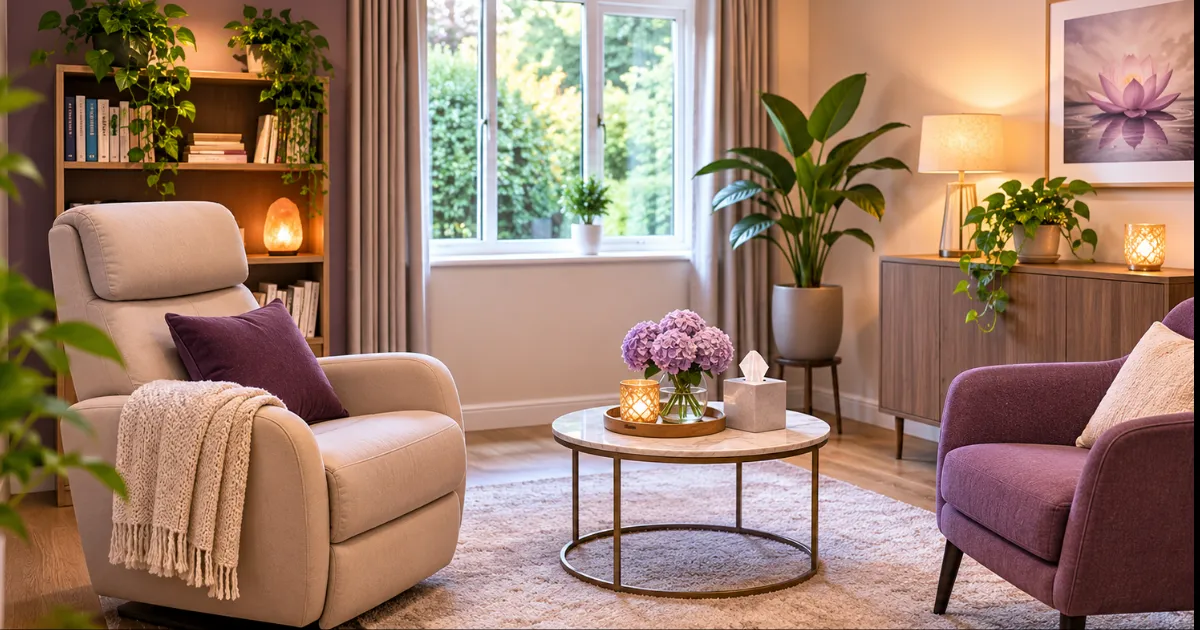
Think about how your home might feel to someone attending their first hypnotherapy appointment. They may be visiting a practitioner for the first time and discussing something they’ve found difficult to share with others.
Your consulting space doesn’t necessarily need to be large or elaborate. A dedicated spare room may be suitable if it offers enough privacy, comfortable seating, appropriate lighting and a quiet environment where sessions can take place without interruptions.
It’s worth considering the experience from the moment someone arrives. Will clients have a clear way to enter your property without walking through busy household areas? Can they speak freely without being overheard? And will other household members understand the importance of avoiding interruptions during appointments?
Practical arrangements such as visitor access, parking and accessibility also deserve attention. For example, a room at the back of your home may be quiet and comfortable, but it may not be appropriate for every client if access involves difficult steps or narrow entrances.
Clear boundaries between home and work are equally important. You might establish specific appointment hours, arrange separate business contact details and keep your consulting space unavailable for household activities during sessions. These arrangements can help protect the professional nature of your work without requiring you to separate your home and business completely.
What Professional Requirements Should You Have in Place?
Working from home doesn’t change the professional responsibilities involved in providing hypnotherapy services. Before seeing paying clients, you’ll need appropriate education, an understanding of your professional scope and suitable arrangements for the services you intend to provide.
Professional indemnity and public liability insurance are important considerations, particularly when clients will attend your residential property. Your insurance should reflect your qualifications, working environment and intended services. Ordinary household insurance may not cover business activities, so it’s worth confirming your arrangements directly with an insurer.
You’ll also need appropriate informed consent procedures, client documentation and secure record keeping. Someone attending their first appointment should understand what your services involve, how appointments are arranged, what fees apply and how their personal information will be handled.
If you’re using online booking systems or storing records electronically, you’ll need to consider how that information is protected. Professional association requirements, supervision arrangements and continuing professional development may also apply to your chosen professional pathway.
These matters form part of establishing a responsible practice, whether you see clients from home or elsewhere. HTA’s guide to starting a hypnotherapy practice in Australia explores the professional and business foundations in greater detail.
Can You Provide Online Hypnotherapy Sessions From Home?
Yes, and for some practitioners, online appointments provide an alternative to welcoming clients into their residential property. You may prefer to work entirely online or combine remote sessions with face-to-face appointments when your circumstances allow.
Working online may reduce the need for consulting room rental and can make appointments more accessible for suitable clients who live further away. However, providing professional hypnotherapy remotely involves more than arranging a video call.
You’ll need reliable technology, a suitable private environment and appropriate arrangements for confidential communication. It’s also important to plan how you’ll respond if a connection fails or an unexpected situation arises during an appointment.
Knowing your client’s physical location and having suitable emergency contact procedures can be particularly important when working remotely. If you’re considering appointments with people in another state or country, you’ll also need to check any professional, legal and insurance requirements that apply.
Online hypnotherapy won’t necessarily suit every individual or presenting concern. Part of working professionally is understanding when remote appointments are appropriate and when another arrangement or referral may be more suitable.
Can You Start a Home-Based Practice Part-Time?
For many people considering a career in hypnotherapy, the opportunity to begin part-time can make independent practice feel more achievable.
Perhaps you already have employment you enjoy or financial commitments that make an immediate move into full-time self-employment difficult. You may prefer to offer appointments on one or two days each week while continuing in your existing profession.
Working from home can make that arrangement practical because you won’t necessarily need to commit to regular consulting room rental or travel between appointments. It also allows you to establish a schedule that reflects your household’s needs, provided your working environment remains suitable for clients.
Beginning with fewer appointments can give you time to understand the everyday responsibilities of running your own practice. You may discover that certain appointment times work better, or that you need additional time between clients for preparation, confidential records and administration.
These are things that often become clearer through experience. A smaller appointment schedule can provide room to adjust your arrangements while you become familiar with working independently, without requiring you to establish a full-time practice immediately.
How Does HTA Prepare Students for Independent Practice?
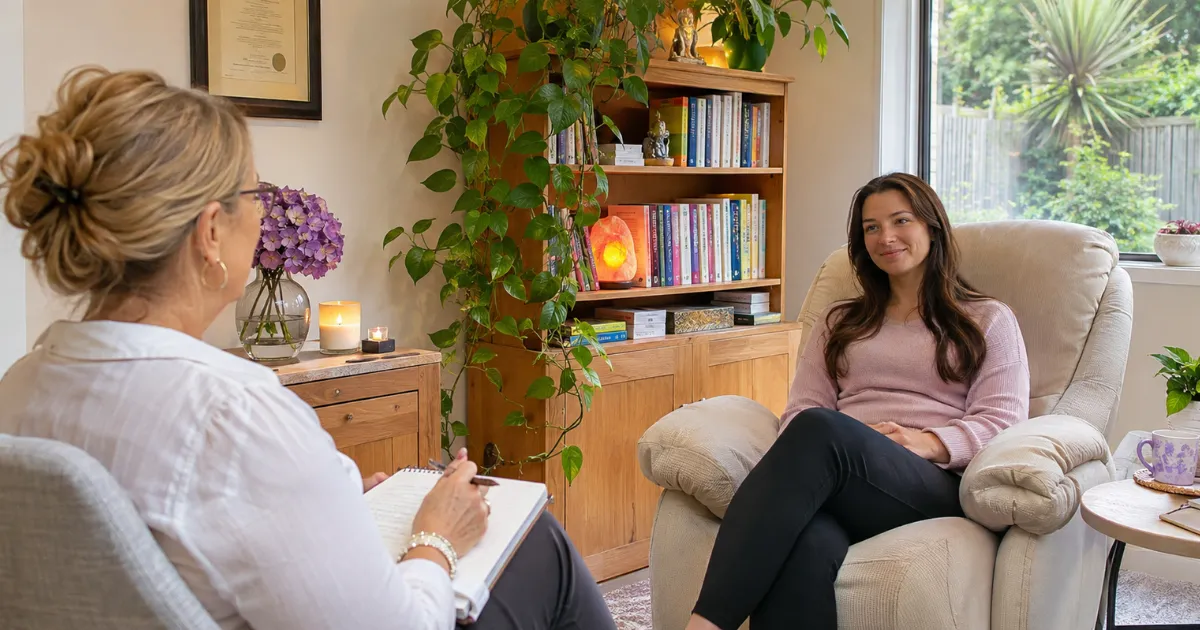
At HTA, we believe professional hypnotherapy training should prepare students for the experience of working with real people, not simply understanding how different techniques work.
Through our live, interactive learning, students have opportunities to observe demonstrations, practise with fellow students and receive feedback. These experiences help them develop therapeutic communication skills, establish rapport and understand how to respond to individual client needs.
But becoming a practitioner also involves learning how to manage the practical responsibilities surrounding that work.
Many students have never established their own professional business before. They may understand the therapeutic process while feeling less familiar with insurance, client documentation, booking arrangements or deciding where to see clients.
That’s why HTA includes a Getting Business Ready component as part of its training approach. It introduces the practical considerations involved in moving from study towards professional practice, helping students think about the business arrangements they’ll need before beginning independent client work.
For someone considering a home-based practice, this preparation is particularly relevant. You’ll be making decisions about how appointments are managed, how your working environment operates and how professional responsibilities fit into your daily routine.
You can explore our hypnotherapy training programs to learn more about the practical education and professional preparation available.
Why Does Support After Graduation Matter?
One of the interesting things about becoming a hypnotherapist is how your questions can change once you begin working independently.
During training, you may want to understand a particular technique or ask for feedback on your practical skills. After graduation, you might encounter a client situation that gives an earlier lesson new meaning, or find yourself considering a professional decision you’d appreciate discussing with someone more experienced.
For practitioners working from home, those conversations may be especially valuable. Although you may enjoy managing your own schedule, you won’t necessarily have colleagues nearby to exchange ideas with during your working day.
At HTA, we want graduates to remain connected with opportunities for learning after completing their qualifications. Graduates can revisit course materials, reconnect with training and explore further professional development.
Mentoring can offer practical guidance and perspective from experienced practitioners who understand the transition into independent work. Clinical supervision provides a more structured environment for reflecting on client situations, ethical matters and professional responsibilities.
Having access to these different forms of professional connection can be valuable when you’re managing a practice largely on your own. It’s about continuing to learn from others while developing your own professional judgement and independence.
You can read more about postgraduate support for HTA graduates and the opportunities available as your experience grows.
Is a Home-Based Hypnotherapy Practice Right for You?
A home-based practice can be a practical option, but deciding whether it’s right for you involves more than having a spare room.
Think about how your household operates during the hours you’d like to see clients. If several people are regularly home, will you have enough uninterrupted time for appointments? Would clients feel comfortable arriving at your property, and are you comfortable welcoming them into your personal living environment?
It’s also worth considering whether your home offers a suitable space without requiring major changes. If creating the right environment would be difficult or expensive, occasional consulting room rental may be a better option.
For example, someone with a quiet room and separate client access may find home-based appointments straightforward. Another person living in a busy shared household may prefer online sessions or rented consulting rooms, even if working from home initially seems more convenient.
Your choice should reflect the practical needs of your clients as well as your own circumstances. A comfortable working environment, appropriate property arrangements and clear household boundaries can make a meaningful difference to the experience of practising from home.
Running a hypnotherapy practice from home can offer flexibility and independence, but the right arrangement is one that allows you to work professionally while providing clients with a suitable environment for their appointments.
If you’re considering hypnotherapy as a career, we’d love to help you explore how HTA’s practical training, business preparation and ongoing graduate support can help you prepare for independent practice.
Changing lives one heart at a time.
FAQs
1. Can you legally run a hypnotherapy practice from home in Australia?
Yes, you can run a hypnotherapy practice from home in Australia. However, you should check local council requirements, property restrictions, business registration and insurance before welcoming clients.
2. Do you need council approval to run a home-based hypnotherapy practice?
Council approval depends on your location and business activities. Some councils may have requirements relating to client visits, parking, signage and changes to residential properties.
3. What insurance do you need for a home-based hypnotherapy practice?
Professional indemnity and public liability insurance are important considerations. Your policy should cover your qualifications, hypnotherapy services and home-based working environment.
4. Can you provide online hypnotherapy sessions from home in Australia?
Yes, hypnotherapists can provide online sessions from home using video conferencing. You need reliable technology, a private environment and suitable arrangements for confidential communication and emergency situations.
5. Can you start a hypnotherapy practice part-time from home?
Yes, you can start a home-based hypnotherapy practice part-time while continuing your existing job. This allows you to build experience, manage appointments and develop your independent practice gradually.








Leave A Comment
You must be logged in to post a comment.