
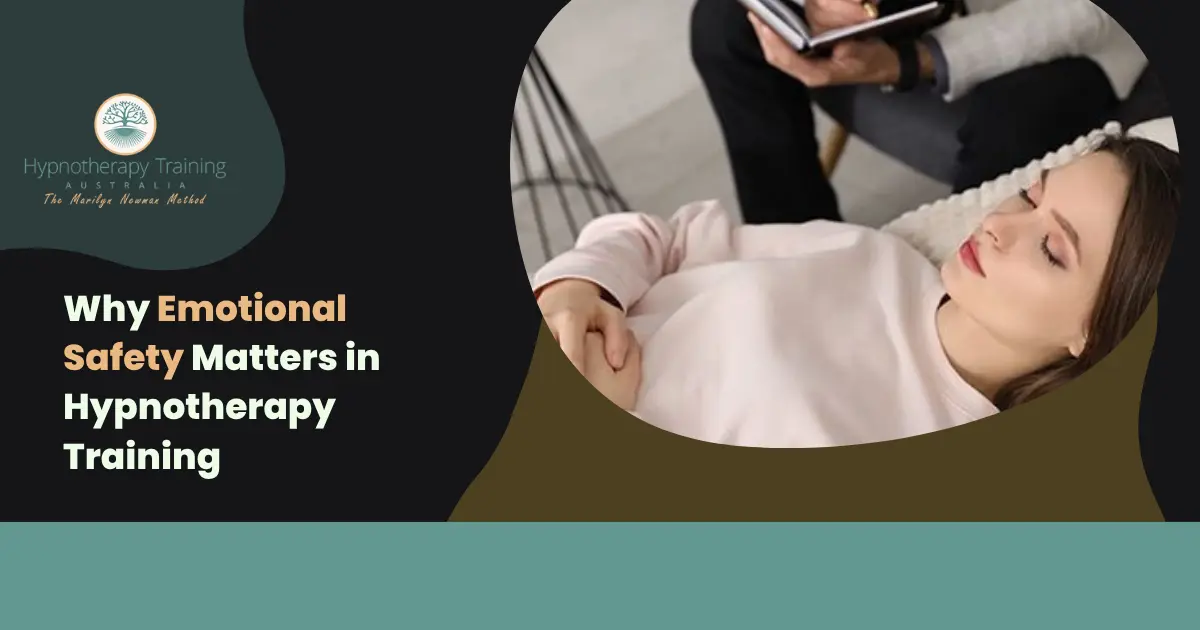
Many people begin exploring hypnotherapy after experiencing emotionally overwhelming periods in their lives. Stress may feel constant and emotionally exhausting throughout everyday situations and responsibilities. The nervous system may remain tense long after difficult experiences have already passed completely.
Some people discover hypnosis during their own healing and personal growth journey naturally. Others feel deeply drawn toward supporting people through compassionate and meaningful emotional work. You may feel called toward work that feels calm, grounded and emotionally supportive daily. You may want to help people gently instead of pushing them through overwhelming experiences unnecessarily.
At the same time, many people searching for hypnotherapy training ask an important question. How can I support people safely during emotionally vulnerable moments and conversations? This question matters deeply within trauma-informed hypnotherapy training and professional development pathways.
At Hypnotherapy Training Australia, emotional safety always remains at the centre of learning. We believe compassionate support should never come at the cost of emotional overwhelm or pressure. Our mission has always remained beautifully simple and deeply heart-centred in its purpose.
Changing lives one heart at a time.
Emotional safety is one of the most important foundations within trauma-informed hypnotherapy practice today.
What Emotional Safety Really Means in Hypnotherapy
Before understanding why emotional safety matters, it helps defining the concept very clearly first. Emotional safety means helping people feel calm, respected and supported throughout every session experience. It means creating an environment where people never feel emotionally forced or overwhelmed unnecessarily.
Trauma-informed hypnotherapy approaches emotional support gently and with deep respect for vulnerability. The process focuses upon helping people feel grounded before exploring deeper subconscious emotional patterns. This work is not about pushing people into painful emotional experiences too quickly. It is also not about forcing emotional breakthroughs through pressure or confrontation within sessions.
Instead, emotional safety allows healing experiences unfolding slowly and naturally over time compassionately. Many people seeking hypnotherapy support may already feel emotionally overwhelmed and exhausted previously. That is why emotional safety remains central throughout every trauma-informed therapeutic interaction and process.
Understanding Trauma and the Nervous System
A good hypnotherapy training course teaches nervous system awareness very carefully and compassionately throughout. When people experience trauma or prolonged stress, the nervous system changes significantly over time. The body often remains stuck within survival responses designed originally for emotional protection purposes.
These reactions are not weakness or emotional failure in any way whatsoever. They are the body’s natural way of trying to remain emotionally and physically safe.
People may experience reactions such as:
- flight responses involving restlessness and constant emotional alertness throughout daily situations
- freeze responses creating emotional stuckness and difficulty moving forward confidently
- shutdown responses involving emotional numbness and ongoing exhaustion
- dissociation creating feelings of emotional disconnection from present experiences
- panic and overwhelming emotional reactions during stressful moments
- hypervigilance that keeps the body constantly scanning surrounding environments for danger
- tight chest sensations and ongoing shallow breathing patterns
- racing thoughts preventing calm emotional regulation and deep relaxation naturally
Trauma-informed hypnotherapy training teaches students understanding these responses with genuine compassion and patience. Students learn that emotional safety must always come before subconscious therapeutic techniques or interventions.
Why Emotional Safety Comes Before Technique
Many beginners initially focus only upon learning hypnosis techniques and subconscious communication skills quickly. However, strong trauma-informed training teaches something much deeper and significantly more important first. People cannot feel emotionally supported when they feel pressured, unsafe or emotionally overwhelmed unnecessarily. Healing experiences unfold far more naturally when the nervous system feels calm and emotionally grounded.
This is why emotional safety remains central throughout trauma-informed hypnotherapy training and professional practice.
- There should never be force during emotionally vulnerable subconscious support sessions or conversations.
- There should never be pressure placed upon emotionally overwhelmed individuals seeking calm and stability.
Most importantly, there should never be expectations to relive painful traumatic experiences unnecessarily. Clients should always remain emotionally safe and fully supported throughout every stage involved. A good hypnotherapy training course teaches students how creating emotional safety consistently and respectfully.
How Trauma-Informed Hypnotherapy Supports Emotional Safety
Trauma-informed hypnotherapy works with both the subconscious mind and nervous system together compassionately. Rather than trying to “fix” emotional overwhelm quickly, the process supports gradual emotional stabilisation safely. The work focuses upon creating calm, grounding and emotional balance throughout therapeutic support sessions.
Sessions may include practices such as:
- guided relaxation and grounding exercises supporting nervous system regulation naturally
- calming subconscious communication techniques focused upon emotional safety
- emotional stabilisation practices supporting grounded awareness and calm presence
- strengthening inner emotional resources and feelings of personal safety gradually
- reconnecting people with calm emotional balance and grounded nervous system regulation
Over time, many people begin feeling emotionally safer and more grounded within themselves naturally. Their nervous system gradually learns responding with greater balance and emotional stability consistently. This creates calmer emotional experiences and stronger feelings of internal safety over time. The process remains gentle, steady and emotionally supportive throughout every learning and healing stage.
The DeTrauma Technique™
At Hypnotherapy Training Australia, students also learn the specialised DeTrauma Technique™ approach carefully. This trauma-informed method was specifically developed prioritising emotional safety throughout support sessions consistently. The process supports trauma healing without requiring painful emotional reliving or unnecessary overwhelm experiences.
Instead of revisiting distressing emotional stories repeatedly, the approach supports nervous system stabilisation gently. Subconscious support unfolds carefully while emotional safety remains protected throughout every therapeutic interaction.
The DeTrauma Technique™ focuses strongly upon:
- emotional stabilisation and grounded nervous system regulation practices
- subconscious processing remaining structured, gentle and emotionally supportive throughout sessions
- maintaining client control during every stage of therapeutic support work
- creating emotional safety and calm grounded therapeutic experiences consistently
Students learn applying this process respectfully, carefully and with genuine compassion toward emotional vulnerability. This creates practitioners who deeply understand emotional pacing, nervous system awareness and grounded support.
Why Emotional Safety Matters for Future Hypnotherapists
A good hypnotherapist understands emotional safety before attempting deeper subconscious support techniques professionally. Without emotional safety, people may feel emotionally overwhelmed instead of genuinely supported throughout sessions. This is why trauma-informed training focuses strongly upon grounded communication and compassionate therapeutic pacing.
Future practitioners must learn supporting people without rushing emotional processes or forcing vulnerability unnecessarily. They must understand how trauma responses affect emotional regulation and nervous system functioning daily.
Emotional safety helps practitioners creating experiences that feel:
- calm and emotionally grounded throughout therapeutic interactions
- respectful toward emotional vulnerability and nervous system overwhelm
- supportive without emotional pressure or judgement during difficult moments
- safe for people processing emotional stress and trauma responses gradually
This understanding creates practitioners who feel emotionally safer for clients naturally over time.
Why Trauma-Aware Practitioners Are Needed More Than Ever
Today, many people experience overwhelming stress, emotional exhaustion and nervous system dysregulation regularly. Modern life often leaves individuals feeling emotionally disconnected, exhausted and constantly emotionally overwhelmed internally. At the same time, awareness around trauma and nervous system health continues growing significantly worldwide. People increasingly seek support that feels calm, compassionate and emotionally safe throughout vulnerable experiences. They want practitioners who understand emotional overwhelm without judgement, pressure or emotional forcefulness.
This is why trauma-aware hypnotherapists are becoming increasingly important within modern emotional wellbeing spaces.
People need practitioners offering:
- grounded emotional support during overwhelming life situations and transitions
- calm compassionate communication without emotional judgement or unnecessary pressure
- safe subconscious work focused upon emotional stabilisation and grounded nervous system regulation
- emotionally supportive guidance respecting nervous system pacing and emotional safety consistently
For many students, this work becomes deeply meaningful throughout their personal and professional growth journey.
What Students Learn About Emotional Safety During Training
A good hypnotherapy course teaches emotional safety throughout every stage of practical learning carefully. Students develop grounded communication skills alongside nervous system awareness and subconscious understanding gradually. They learn supporting emotionally vulnerable individuals safely, respectfully and compassionately during sessions.
Training often includes areas such as:
- understanding trauma responses within the nervous system clearly and compassionately
- creating emotional safety throughout hypnosis and subconscious communication sessions
- grounding and stabilisation techniques supporting emotional regulation naturally
- subconscious communication supporting calm emotional awareness and balance
- guiding hypnosis safely, gently and respectfully throughout therapeutic interactions
- compassionate listening and grounded communication during emotionally vulnerable conversations
- maintaining emotionally safe therapeutic presence throughout support sessions consistently
- personal growth and self-awareness throughout trauma-informed professional development journeys
Many students notice meaningful personal growth throughout the learning process itself over time naturally. Their confidence grows steadily through supportive practice, reflection and grounded emotional understanding consistently. Their emotional awareness deepens through trauma-informed learning and nervous system education experiences gradually.
This creates practitioners who feel calm, grounded and emotionally safe for others consistently and naturally.
A Supportive and Heart-Centred Learning Environment
At Hypnotherapy Training Australia, emotional safety remains central throughout every stage of student learning. Some students begin training with counselling or wellness-related professional backgrounds already established previously. Others begin with absolutely no therapy experience or subconscious work training beforehand whatsoever.
Both learning pathways are welcomed warmly, respectfully and without unnecessary pressure or judgement entirely. Training is designed feeling emotionally safe, grounded and supportive throughout the learning journey consistently. Students learn gradually while building confidence through structured practice and compassionate trainer guidance.
There is space for reflection, emotional growth and grounded learning throughout the entire training experience. Students are never expected understanding everything immediately during early stages of professional development.
Support, patience and genuine Care & Understanding remain central throughout every learning experience provided.
Is This Path Right for You?
If you feel drawn toward hypnotherapy training, you may still hold important questions internally.
- Can I learn creating emotional safety even without previous therapy experience beforehand?
- Can I safely support emotionally overwhelmed people through trauma-informed hypnotherapy approaches?
- Can I develop grounded communication and nervous system awareness gradually over time?
- Will I feel emotionally supported throughout my professional learning and personal growth journey?
These questions are completely natural for many people exploring trauma-informed hypnotherapy training pathways seriously. For many students, the answer gradually becomes deeply reassuring through supportive learning experiences consistently.
The answer is yes.
A good hypnotherapy course welcomes people from many professional and personal backgrounds compassionately and respectfully. What matters most involves compassion, curiosity and willingness learning safe emotional support practices carefully. If this pathway resonates with you personally, we warmly invite further exploration and meaningful connection. You can learn more about our training programs and connect with our supportive team directly.
When the time feels right, we would genuinely love supporting your learning journey carefully and compassionately. We remain here with sincere Care & Understanding throughout your professional and personal development journey. Together, we continue supporting people and changing lives one heart at a time.






Leave A Comment
You must be logged in to post a comment.